2 minute Read
From the border: 2,219 kilometers of transition
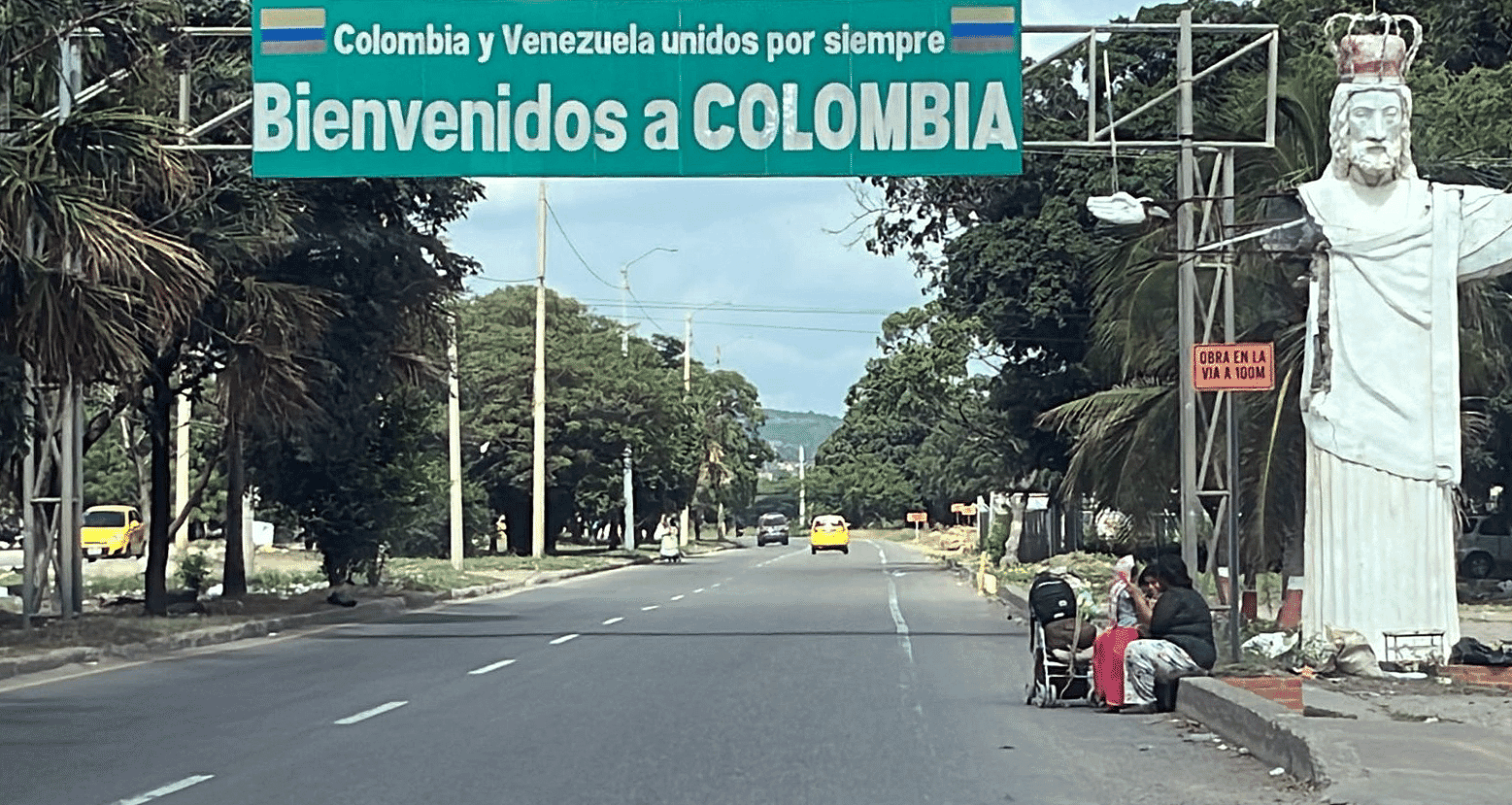
Reporting from the Simón Bolívar International Bridge in Cúcuta, Colombia, Associate Manuela Uribe Ruan highlights this key crossing on the 2,219-kilometer border with Venezuela. This extensive frontier currently functions as a transnational corridor, frequently exploited by organized crime.
Following the capture of Nicolás Maduro by US forces in January 2026, the border environment is undergoing significant changes. International firms in Colombia are assessing the possibility of re-entering the Venezuelan market, while the security vacuum left by the regime’s collapse—combined with the challenges posed by Colombia’s “Paz Total” policy—is being filled by non-state actors.
This topic was a key focus during discussions at the 19th Forum on the FCPA in Houston. Our Deputy CEO, Patrick Kelkar, highlighted how the evolution of cartels into Foreign Terrorist Organizations (FTOs) has shifted corporate risk from compliance departments to the realm of national security.
The instability along the 2,219-kilometer border between Colombia and Venezuela is a focal point of this shift. This region has historically been a nexus of illicit finance, and recent political and security changes have heightened the risk for multinational corporations operating in the Andean region.
The security convergence:
- The end of the safe haven: For years, the Maduro regime offered protection to groups like the ELN (National Liberation Army) and the Segunda Marquetalia (formerly FARC). With the regime’s fall, Colombian guerrilla leaders such as Iván Márquez (former FARC leader) are returning to Colombian territory to consolidate control over the logistical routes along the border, consolidating control over the logistical routes and airstrips used to move products from the Colombian Catatumbo into Venezuelan Zulia and Apure.
- The “Paz Total” vacuum: In Colombia, the “Paz Total” policy has created territorial vacuums. In the Catatumbo region, located north of Cúcuta, this has resulted in a territorial war for control of the “Cocaine Corridors” between the ELN and FARC dissidents (Frente 33), displacing over 100,000 people since January 2025.
- Transnational syndicates: Organized crime along this border operates as an integrated network. Groups such as the Clan del Golfo, the Sinaloa Cartel, and the Tren de Aragua are involved in narcotics trafficking, illegal mining (gold and coltan), and human smuggling.
FTO designations and corporate risk:
As discussed last week in Houston, the US response has shifted to a military-first model by designating these groups as FTOs. This designation introduces specific indirect business risks:
- The material support trap: Under 18 U.S.C. 2339B, companies can be held liable for providing “material support” to these groups. Paying local “passage fees” to move goods through corridors controlled by FTOs could now be considered support for terrorism.
- Indirect exposure: The risk lies in the “shadow infrastructure.” If local logistics partners or security contractors pay into the extortion systems run by these groups, a company may face secondary sanctions and criminal prosecution.
The appetite for Venezuela’s recovery is significant, but the border remains a theater of criminal governance. Operating successfully in 2026 requires a granular assessment of the FTO-controlled infrastructure.
Our FTO-Cartel Risk Tracker provides helpful data to identify some of these indirect links and manage compliance in this shifting landscape.